About Stainless Steel IBC Tank
Stainless steel Ibc Tank plays a crucial role in the pharmaceutical and biotech industry due to its unique properties Lets delve into why its the material of choice for containers and equipment
HighTemperature Resistance Stainless steel can withstand extreme temperatures making it practical for applications that require frequent sanitation and low chemical reactivity
Corrosion and Pitting Resistance It resists chemical corrosion and pitting ensuring durability and longevity even with frequent cleaning
Ideal for Processing and Storage Stainless steel containers including tanks are used for processing storing and transporting both liquid and dry pharmaceuticals Theyre valuable during research manufacturing and quality control processes
NonReactivity with Medications FDA regulations demand materials that wont react with or absorb medications Medicalgrade stainless steel meets these standards ensuring product safety and quality
ShelfLife Stability Stainless steels nonporous nonreactive nature helps maintain stable shelflife for pharmaceutical products minimizing waste
Different types of stainless steel are used in pharmaceutical equipment manufacturing
304 Used for noncontact parts
316 and 316L Construct equipment that directly contacts pharmaceutical products including water system tanks and pipelines
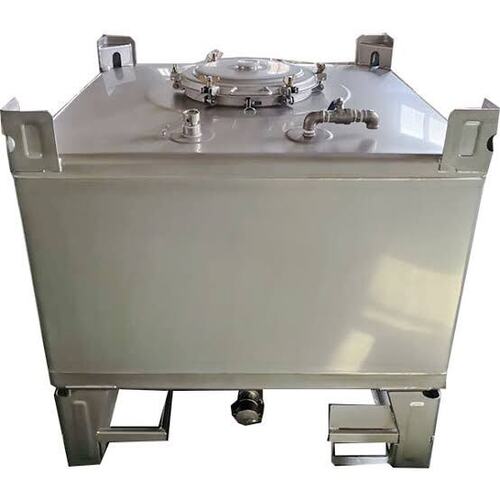
Ideal Solution for Industrial StorageOur stainless steel IBC tanks deliver unmatched reliability for industrial storage needs, particularly within chemical and oil sectors. Engineered with safety and endurance at their core, these silver-colored units comply with stringent industry standards, making them a preferred choice among exporters and suppliers in the Indian market.
Exceptional Durability and CapacityConstructed from high-grade stainless steel, each tank weighs between 250 and 500 kilograms and ensures optimal resistance to corrosion and wear. Their robust build allows for a capacity of 500 liters per day, supporting continual operations while safeguarding stored contents during transit and handling.
FAQs of Stainless Steel IBC Tank:
Q: How is the Stainless Steel IBC Tank used in chemical and oil storage?
A: The tank functions as a secure and corrosion-resistant container for storing and transporting chemicals and oils in industrial settings. Its robust construction maintains the integrity and safety of stored substances throughout daily operations.
Q: What are the key benefits of choosing a stainless steel IBC tank over other materials?
A: Stainless steel tanks offer superior resistance to corrosion, a longer lifespan, and enhanced protection against environmental hazards. This minimizes contamination risks and reduces maintenance requirements compared to plastic or other materials.
Q: When should industries consider using a stainless steel IBC tank?
A: Industries should opt for stainless steel IBC tanks when handling hazardous or sensitive chemicals, oils, or fluids that require stringent containment standards or when seeking durable, reusable storage solutions for frequent use.
Q: Where are these IBC tanks typically installed or employed?
A: Stainless steel IBC tanks are commonly installed in factories, warehouses, processing plants, and other industrial facilities across India. They are also suitable for export operations due to compliance with global safety standards.
Q: What is the process of procuring an IBC tank from a supplier?
A: Customers can reach out to the manufacturer, exporter, or supplier to discuss capacity, weight, and customization needs. After confirming specifications, the supplier ensures prompt delivery of the tank in NEW condition, ready for immediate deployment.
Q: Can the tanks daily capacity of 500 liters be customized for specific requirements?
A: Yes, manufacturers and suppliers in India often offer customization options. Customers can consult with providers to adjust tank capacity or specifications depending on individual usage requirements.
Q: What safety and operational advantages do these tanks provide?
A: These tanks offer leak-proof storage, compliance with industrial safety norms, and resistance to chemical reactions. They help maintain product quality and ensure operator safety, making them a valuable asset in chemical and oil storage.




 Send Inquiry




 Send Inquiry
 Send Inquiry
 Send SMS
 Call Me Free


